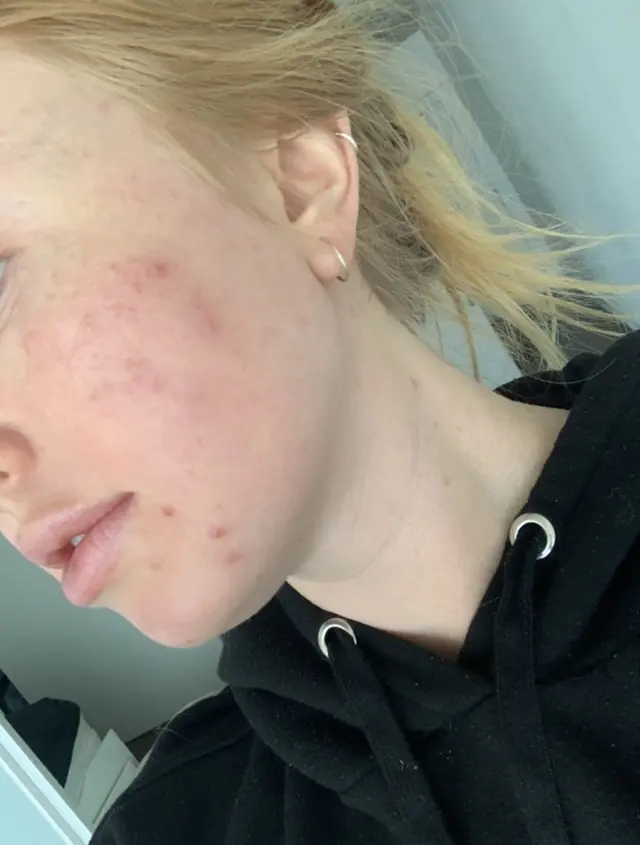
Acne develops in hair follicles through processes involving oil, blocked pores, inflammation and bacteria. Hormones and other factors can contribute. It is not simply a sign of dirty skin, and a breakout cannot identify a gut or hormone diagnosis on its own. Understanding the condition helps you choose a useful next step. AAD: what causes acne
Why acne can keep returning
Acne has several contributing processes, so a single explanation rarely covers every person’s experience. Adult acne can be influenced by hormonal changes, stress, family history and some skin or hair products. AAD: adult acne
Record where breakouts occur, how they change and what you are already using. Include medicines and supplements. A simple timeline can help a dermatologist review the pattern without assuming that the location of a pimple reveals the condition of an internal organ.
Start with consistent skin care
The AAD recommends an acne-friendly routine and appropriate treatment. Changing products repeatedly can make it difficult to judge what helps. Persistent, deep or scarring acne warrants a dermatologist’s assessment. AAD: adult acne treatment
List the cleanser, moisturizer, sunscreen and treatments you use, along with how often you use them. Bring that list to the review. Ask which products to keep, what to change and how long to assess the agreed plan before making another change.
What does the evidence say about food?
Diet may influence acne for some people, but changing food alone does not reliably clear it. The AAD discusses research on dietary patterns while emphasizing skin care and medication as part of effective acne treatment. AAD: diet and acne
If you suspect a food-related pattern, record the concern before removing several food groups. Consider whether the proposed change is specific, nutritionally adequate and practical. A food diary should support a conversation, not make every breakout feel like proof that you ate the wrong thing.
Different-looking bumps may need different care
A uniform itchy eruption may prompt a clinician to consider folliculitis, while persistent facial redness may raise rosacea questions. Eczema and psoriasis have different features and treatment needs. Use the focused articles in this collection to understand the differences, rather than putting every rash under the acne label.
When the diagnosis is uncertain, a skin examination is more useful than choosing a treatment solely from a photograph online. Tell the clinician whether itching, burning, scaling or eye symptoms accompany the bumps.
Choose support that fits the actual problem
Holistico offers nutrition education through The Acne Solution and individual support through the 1:1 membership. These can help you organize nutrition goals and practical habits alongside appropriate clinical care. They are not substitutes for assessment of a persistent or uncertain skin condition.
Start with the question you most want answered: the diagnosis, the treatment plan, food concerns or daily routines. The hormonal-acne, fungal-acne and skin-condition articles below help you prepare that conversation. Keep the plan clear enough that you know what is being addressed and when to review it.
Frequently Asked Questions
Can a diet change clear acne on its own?
Diet can influence acne in some people, but it is not a reliable stand-alone treatment for everyone. The AAD describes effective acne care as including appropriate skin care and medication when needed. Discuss food concerns as part of the wider plan rather than delaying treatment for persistent or scarring acne.
Does face mapping diagnose the cause of acne?
The location of breakouts can be useful history, but it does not diagnose a gut problem, a nutrient deficiency or an endocrine condition. A clinician considers the full symptom pattern and examination. If menstrual or digestive concerns occur too, describe them directly instead of relying on a facial map.
When should I see a dermatologist?
Seek a dermatologist’s assessment for persistent acne, deep painful bumps, scarring or uncertainty about whether the eruption is acne. Bring a product and medicine list and a timeline of changes. That helps the clinician review treatment options and distinguish acne from conditions that may require a different approach.
Sources
Editorial update: 13 October 2026. This article provides general education and does not make an individual diagnosis.